If your DTC brand’s content operation feels like it’s outrunning your team every quarter, you’re not imagining it. This is what running a modern DTC brand in 2026 actually looks like.
1.The DTC Content Bottleneck
The bottleneck isn’t creativity. It’s production. And the gap between what algorithms want and what small DTC teams can actually ship keeps getting wider.
Meta’s own data confirms it. Analytics at Meta reported that CTR drops around 20% once creative fatigue level hits 0.2. By the fourth exposure, click-through falls off a cliff.
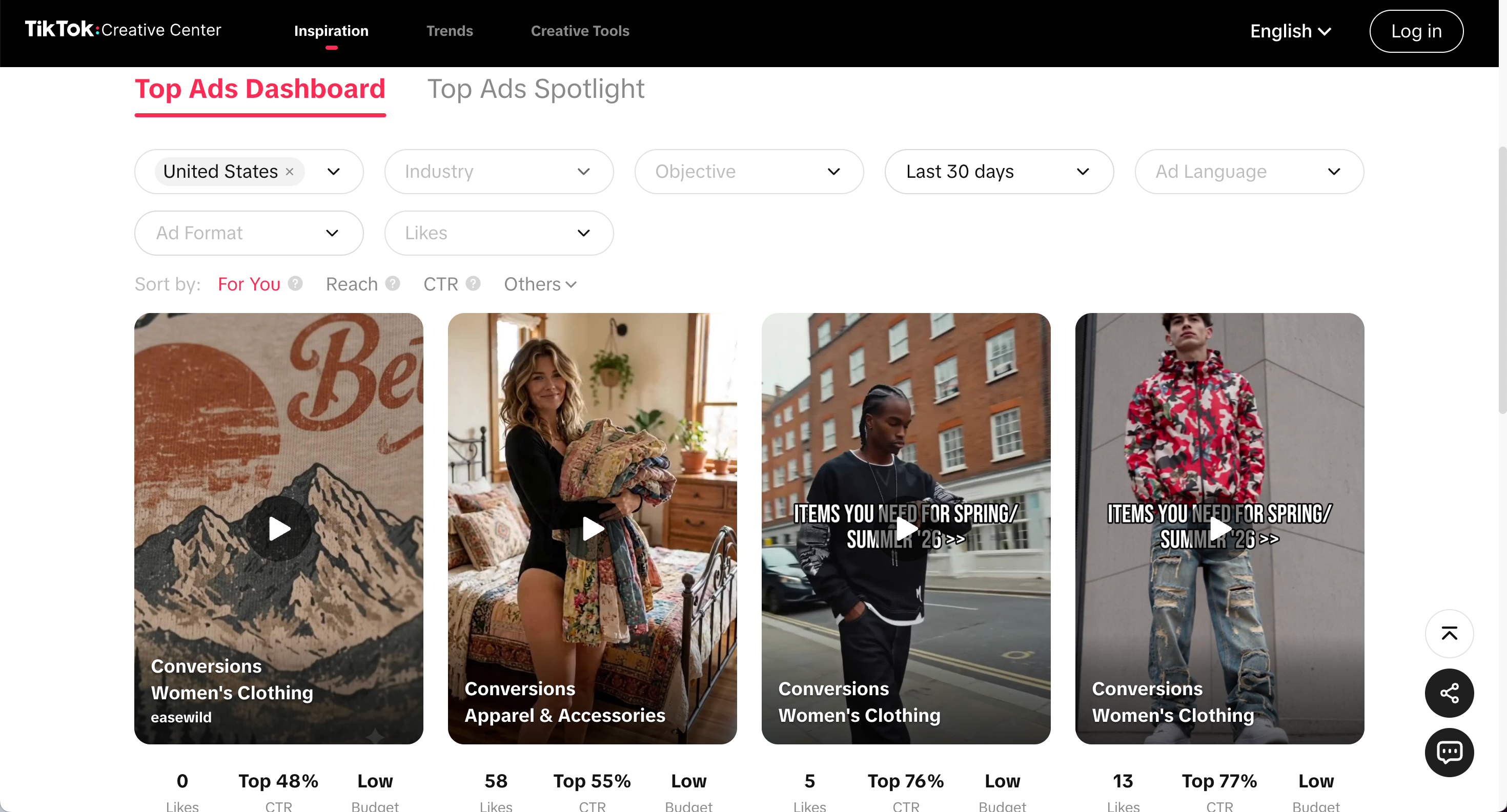
TikTok is even less forgiving. Most creative there lives 7 to 14 days before engagement dips below breakeven. Yet the median DTC brand still ships fewer than 4 new ad creatives a month. That’s not close to what the algorithm actually eats.
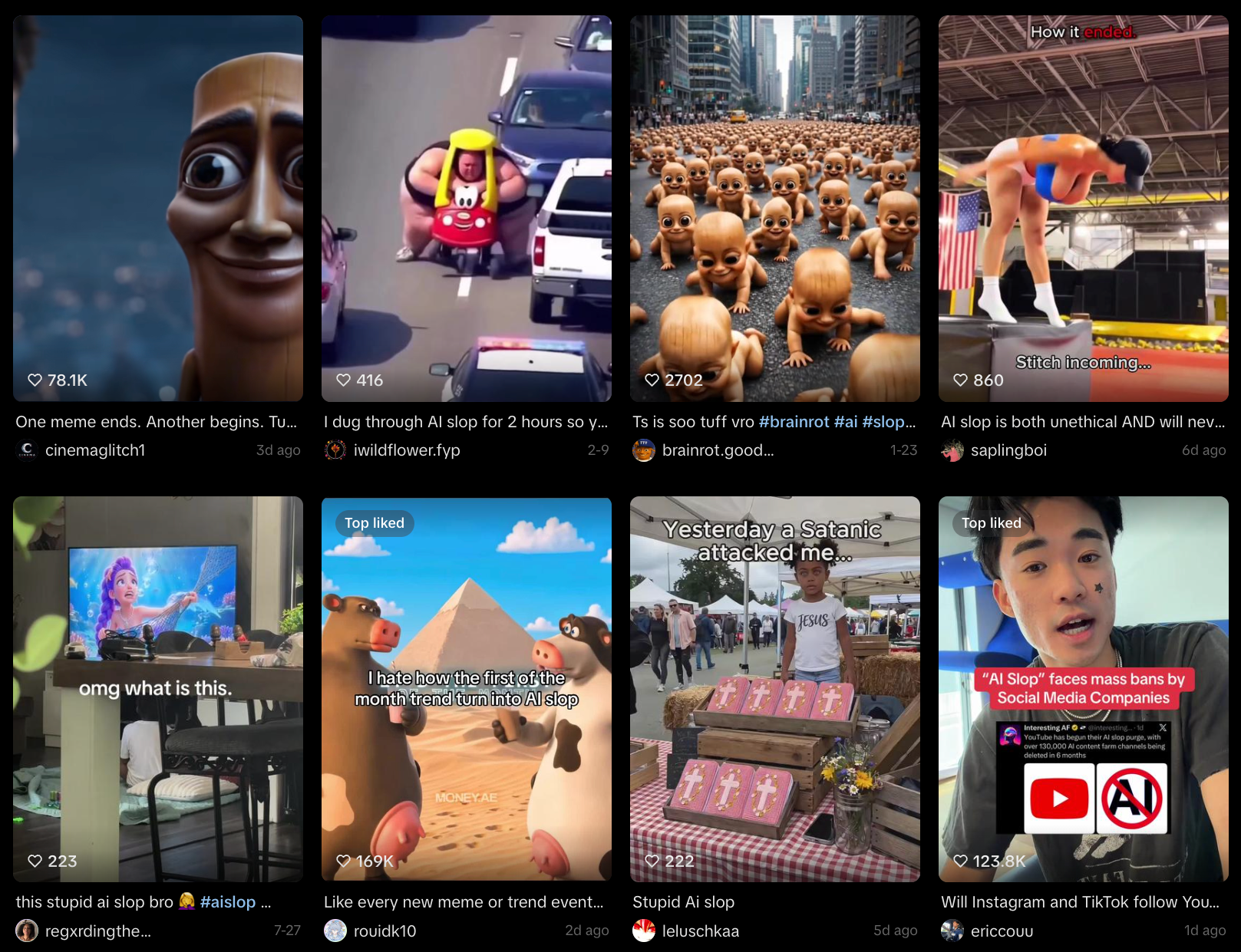
Then there’s the AI slop problem. Roughly 31% of consumers now say they actively avoid brands whose content looks obviously AI-generated. The first wave of AI tools made content cheap. It also made most of it disposable.
Meanwhile, the category is moving fast. Gartner predicts 60% of brands will use agentic AI for one-to-one interactions by 2028. As of Q1 2026, 80% of enterprise apps shipped or updated already embed at least one AI agent. 34% of enterprise marketing teams are running autonomous agents in production, more than double last quarter (Salesforce State of Marketing 2026).
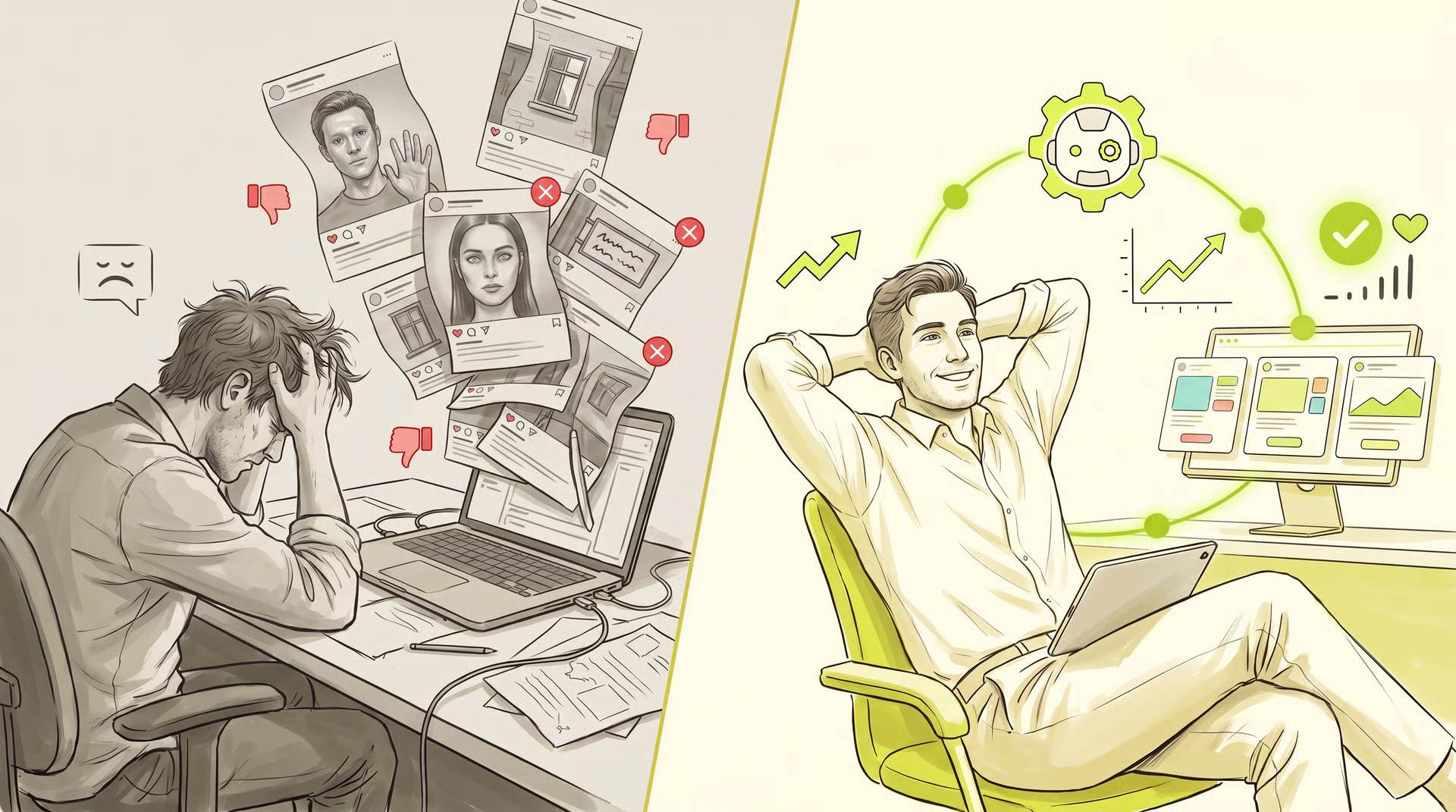
The brands rebuilding around AI agents now will define the next five years. The ones still refreshing their tool stack won’t.
2.The Four Content Every DTC Brand Is Running
Look at what a DTC brand is actually doing on social media. It’s not one job. It’s four, all landing on the same team.
Performance Ads
The paid units doing the heavy lifting on Meta, TikTok, Google. UGC-style demos, quick-cut breakdowns, before-and-afters. Roughly 50 to 60% of DTC creative budget lives here because this is what the ROAS spreadsheet is watching. You need dozens of variants a month. A real shoot runs from $150 to $500 and takes a week.

The most convincing content still looks like it came from a real person. Ideal for apparel, accessories, and consumer products ready to build organic trust on TikTok and Reels.
Creative Hooks
Sensory demos (think HexClad’s torch test, Allbirds’ material breakdown), reversal humor, drama-style pain narratives, unusual angles that stop the scroll. 20 to 30% of the budget and still rising. Creative strategists and media buyers own this layer, often reporting to whoever runs paid. Some DTC teams will post organic content first to see which hooks, formats, and messages get engaged… That winning organic video becomes your creative brief for paid ads.

A looping outfit-change reel with editorial portraits and bird’s-eye flatlays that turns garments into a cohesive brand narrative, seamlessly showcasing multi-look production pipeline. Best suited for apparel brands ready to elevate their product pages, TikTok shop feeds, and e-commerce hero content.
Standout Posts
The taste play. Outfit transitions, UI mini-games, illusion frames, poster aesthetics. Also 5 to 10%. This is where a random person on TikTok saves the video without knowing the brand yet. Trends move faster than the team can chase them. Four jobs. Same team. All four have the same gap: the creative idea shows up faster than the production can catch it.
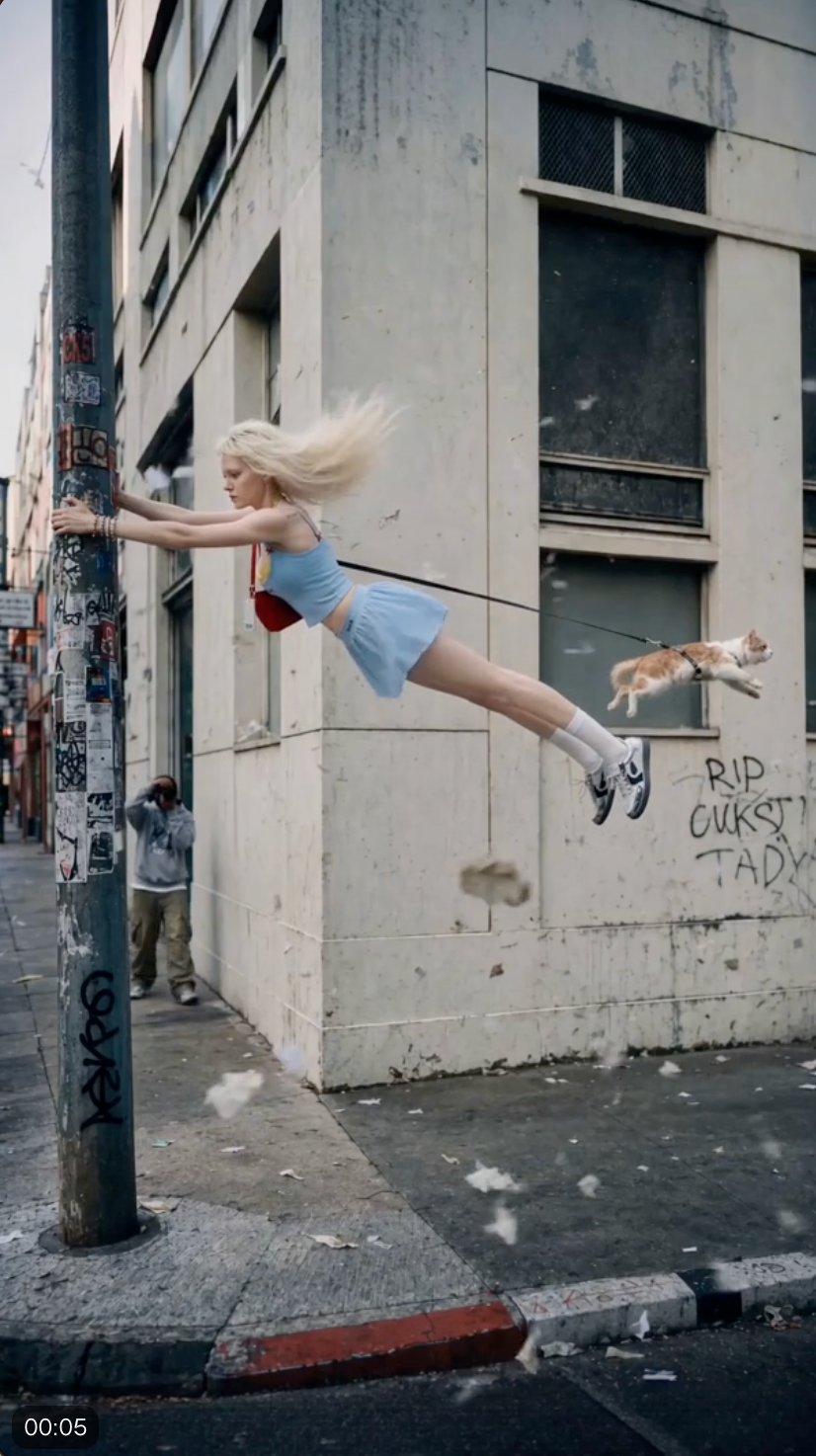
Imagine your product floating mid-air, unbothered by wind strong enough to pin a person horizontal while a stranger stops to photograph it in the storm. Ideal for consumer goods, beauty, food, and lifestyle. Perfect for TikTok and Instagram ad creatives and launch videos.
Brand-Building Stories
The slower play. Founder stories, ingredient education, brand values. Only 5 to 10% of budget, but it’s what keeps a brand from being a commodity. Long-form to short-clip takes forever. No single post carries the ROI. So the whole layer gets deprioritized.
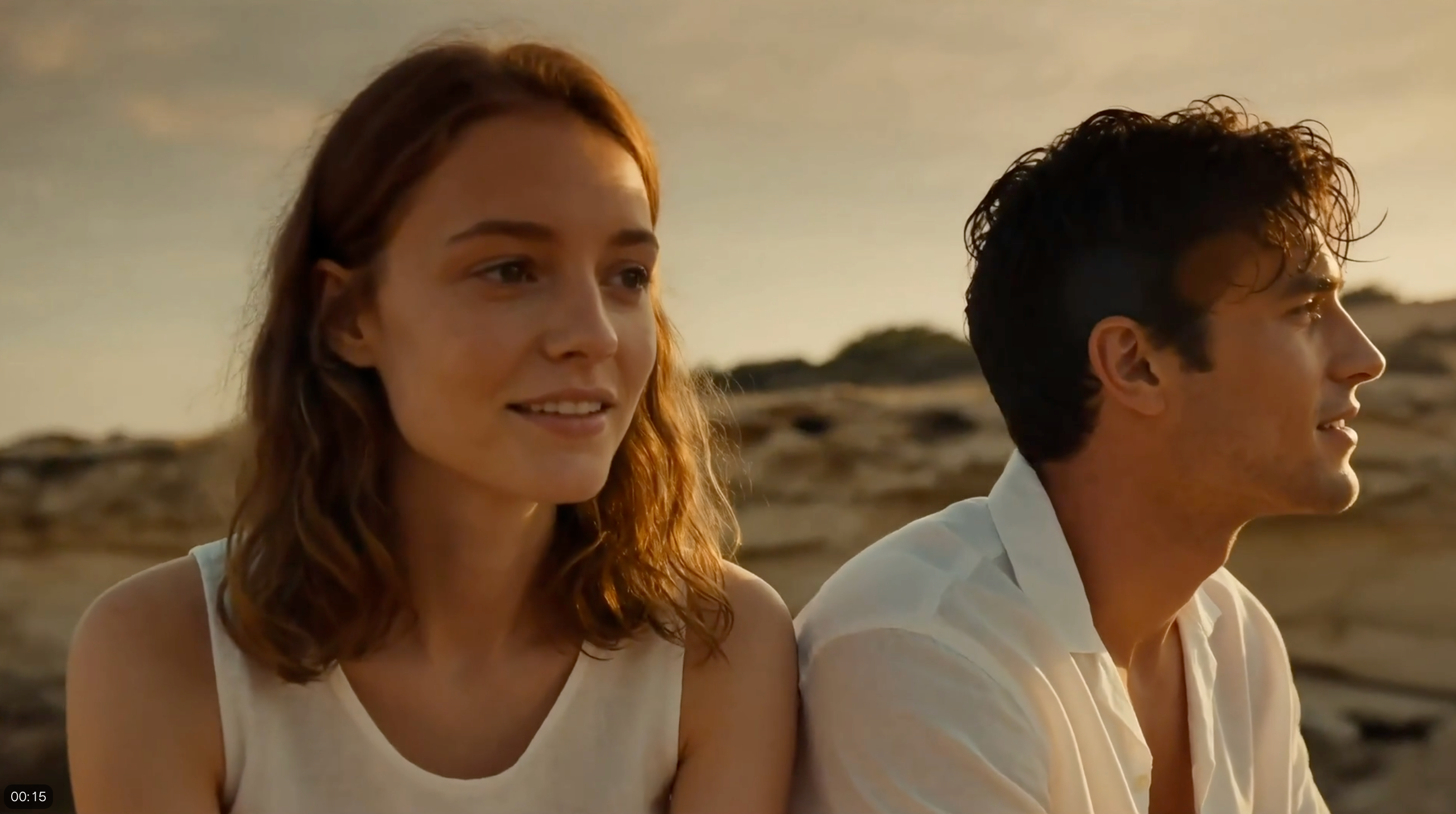
Brands that tell stories sell more than brands that list features, and a cinematic love story built around the product is proving that every week. Ideal for jewelry, fashion, fragrance, and lifestyle brands. Perfect for TikTok, Instagram, and seasonal campaigns.
Four jobs. Same team. Different playbooks, different metrics, different aesthetics.

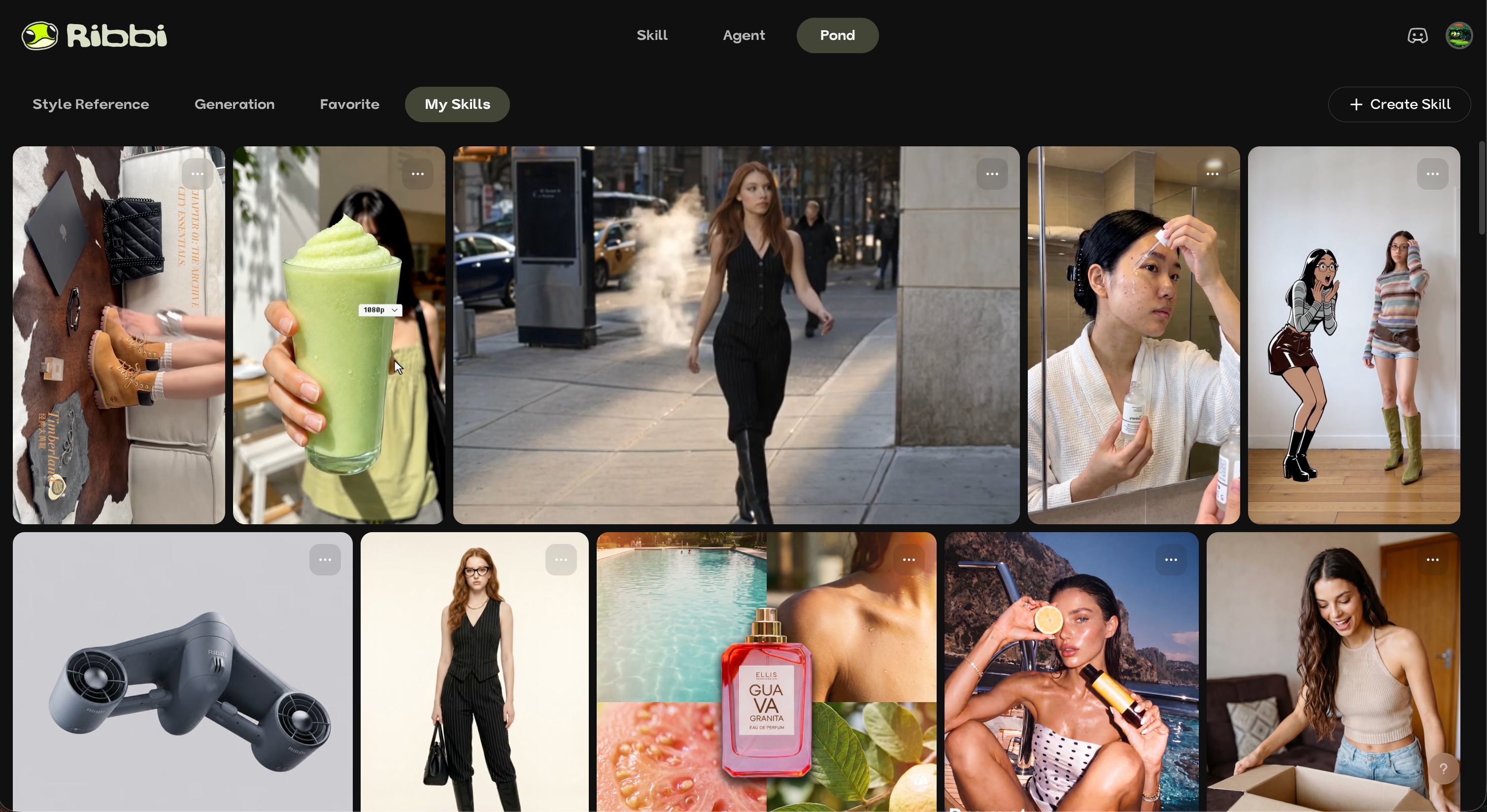
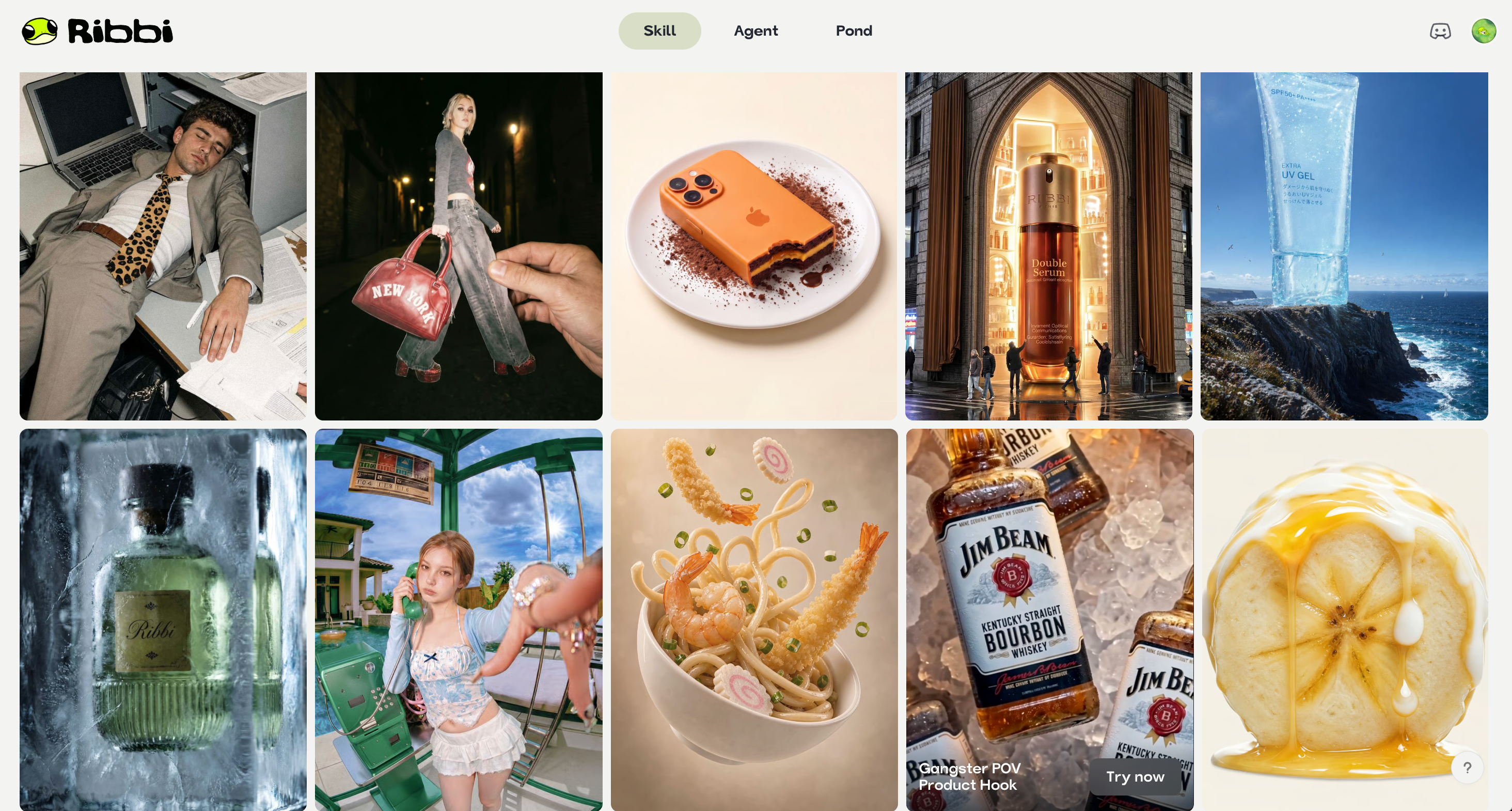
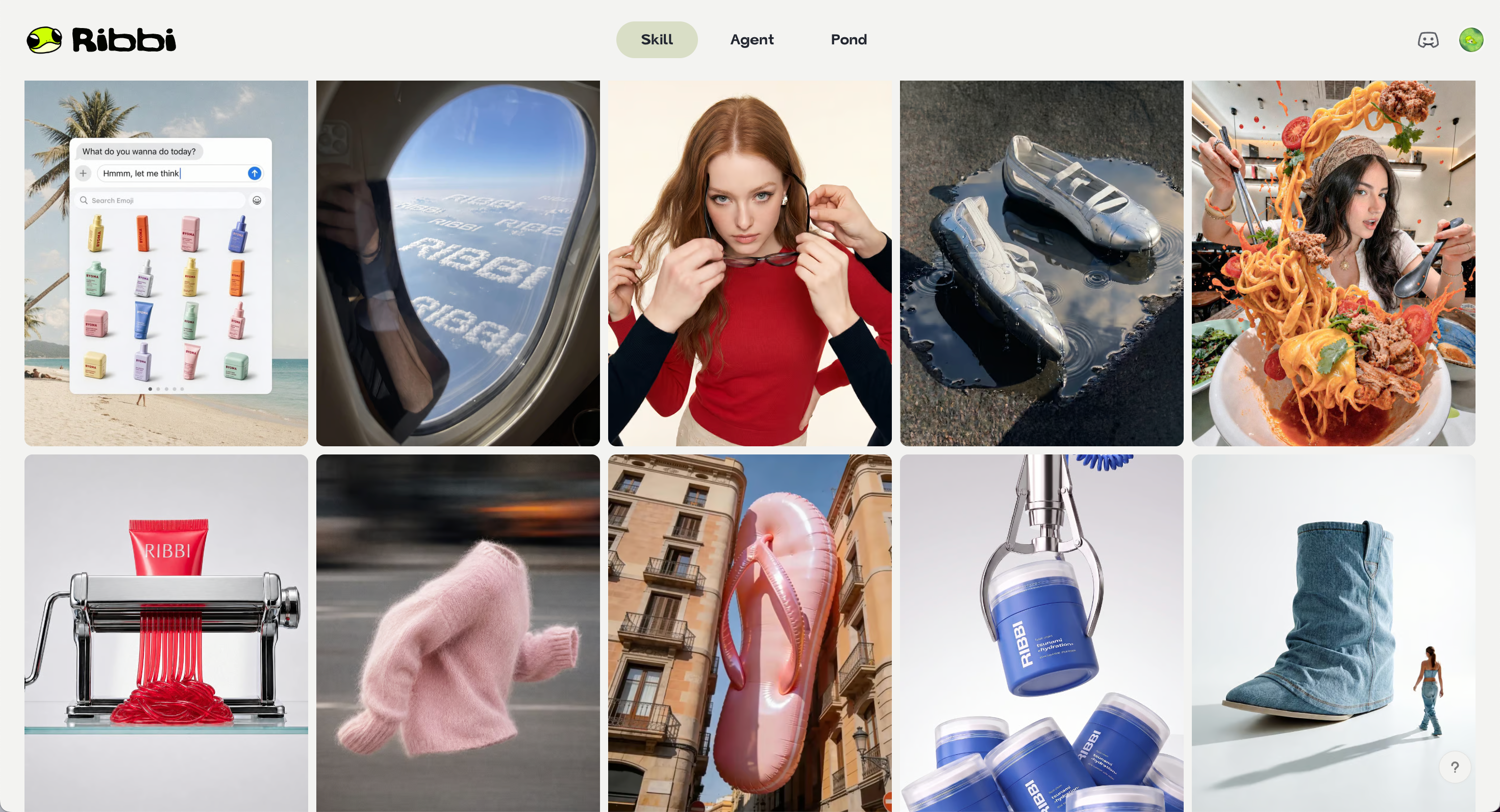
Ribbi is built to run all four of these jobs from one place. It ships in units called Skills, and each Skill is a proven creative pattern built for one of these four jobs. You pick one, simply drop your product in, and ship. Not a template. A Skill adapts to your product’s texture, physics, and styling. Same Skill applied to a shampoo vs a can of beverage produces completely different scene.
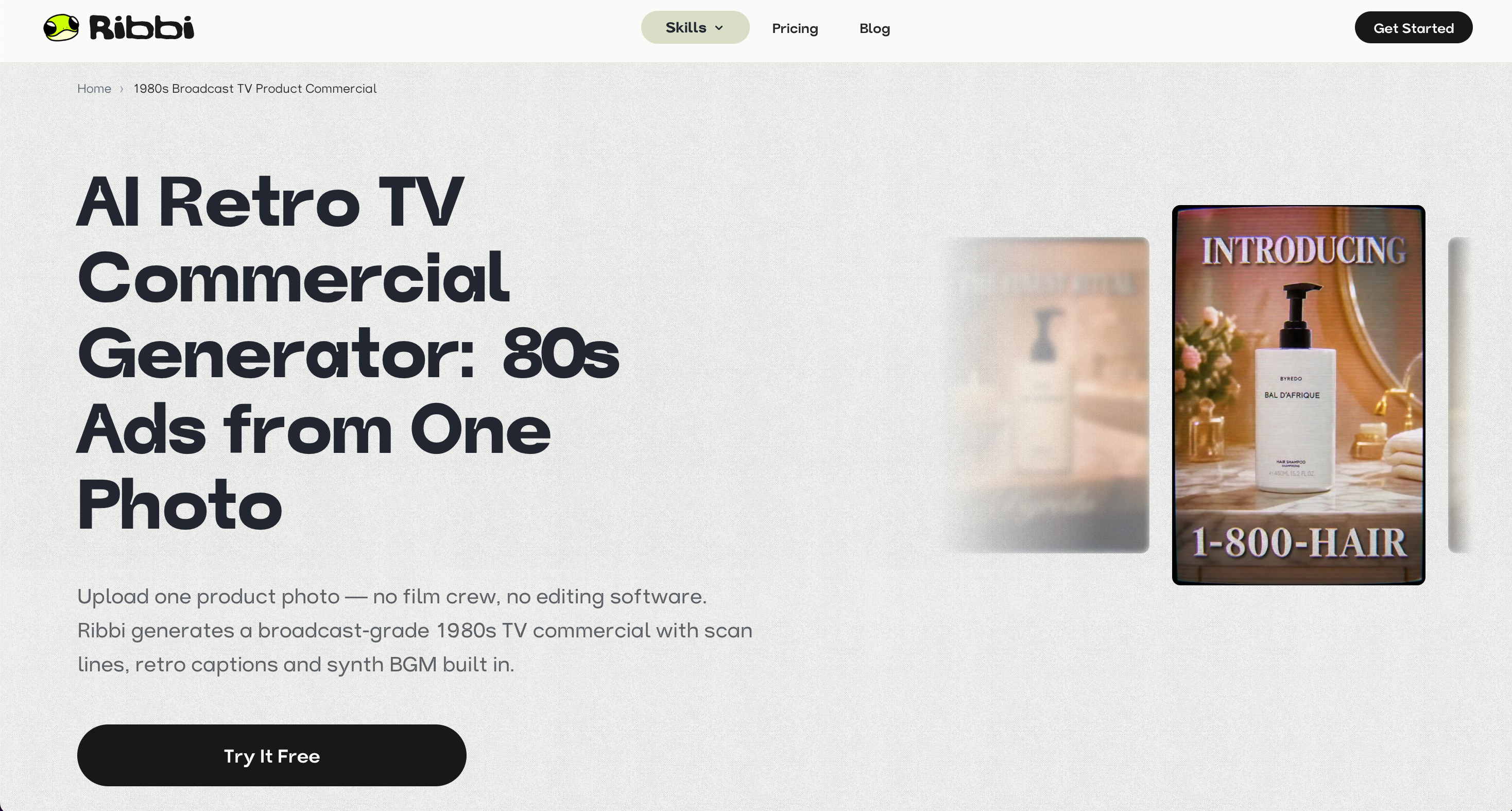

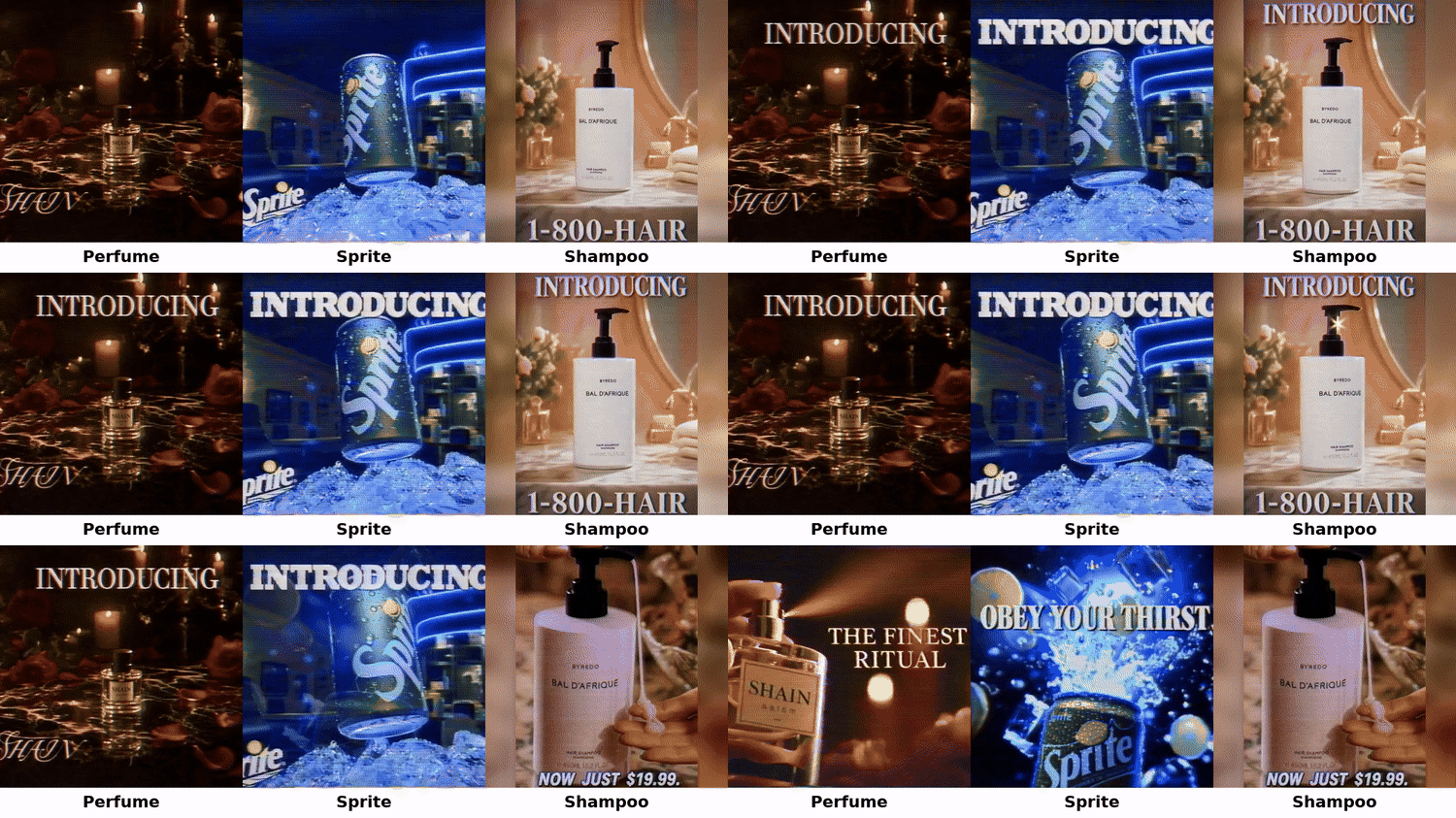
Feed it a shampoo bottle and it builds a vanity scene, mirror, flowers, that classic infomercial “1-800” energy. Feed it a perfume bottle and it becomes candlelit, rose petals, gilded typography, an evening ad from a glossy magazine cutout. Feed it a can of Sprite and it becomes a neon diner, ice, condensation, that soft-drink commercial punch you remember from Saturday morning cartoons.
3.Making Content Is Just Step One
The average DTC social operation is not one job. It’s four, stacked. Making. Publishing. Testing. Learning. We’ve just talked about the first step. The other three are where most brands quietly stall out.
Publishing is not simply one action.
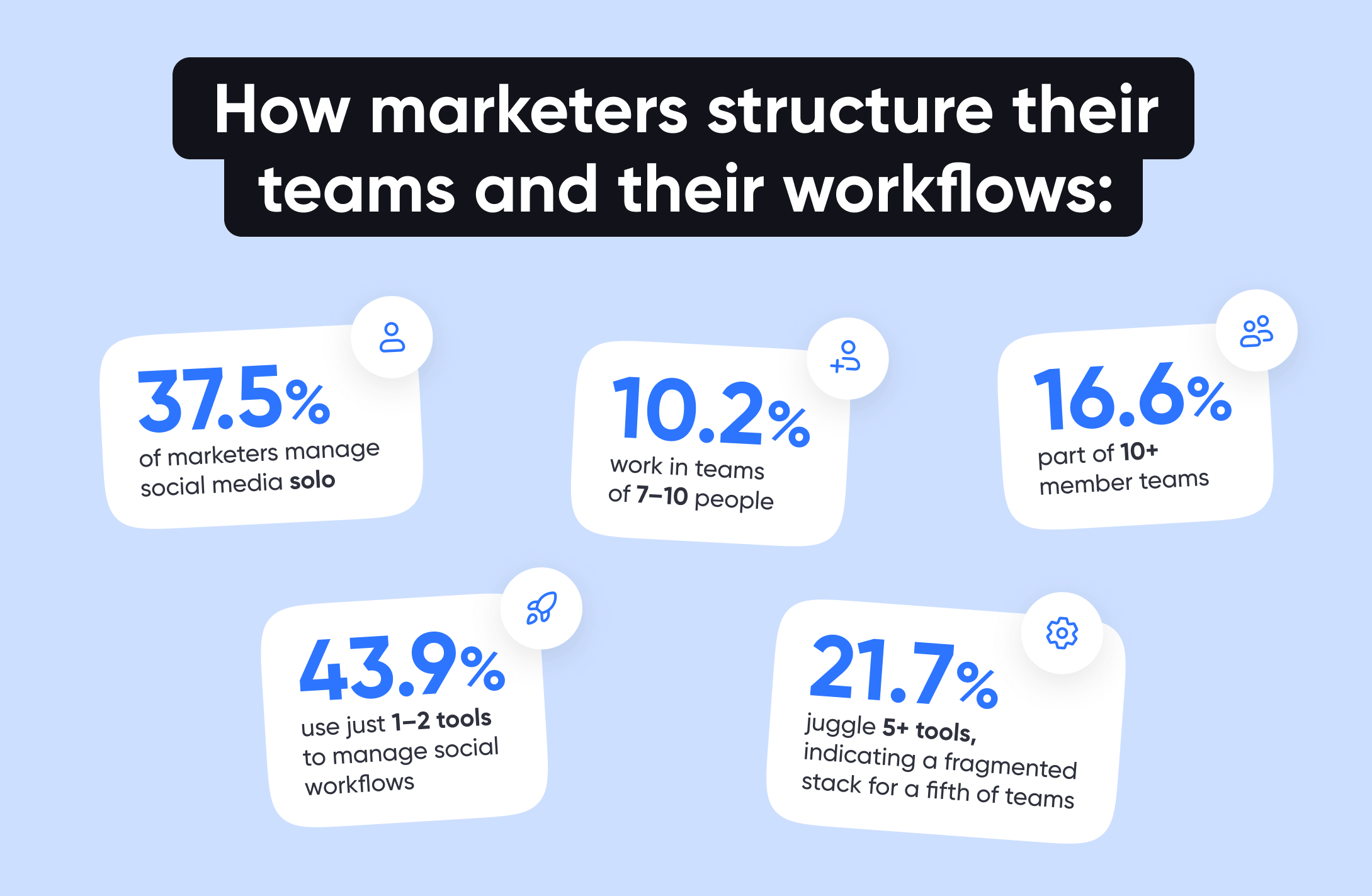
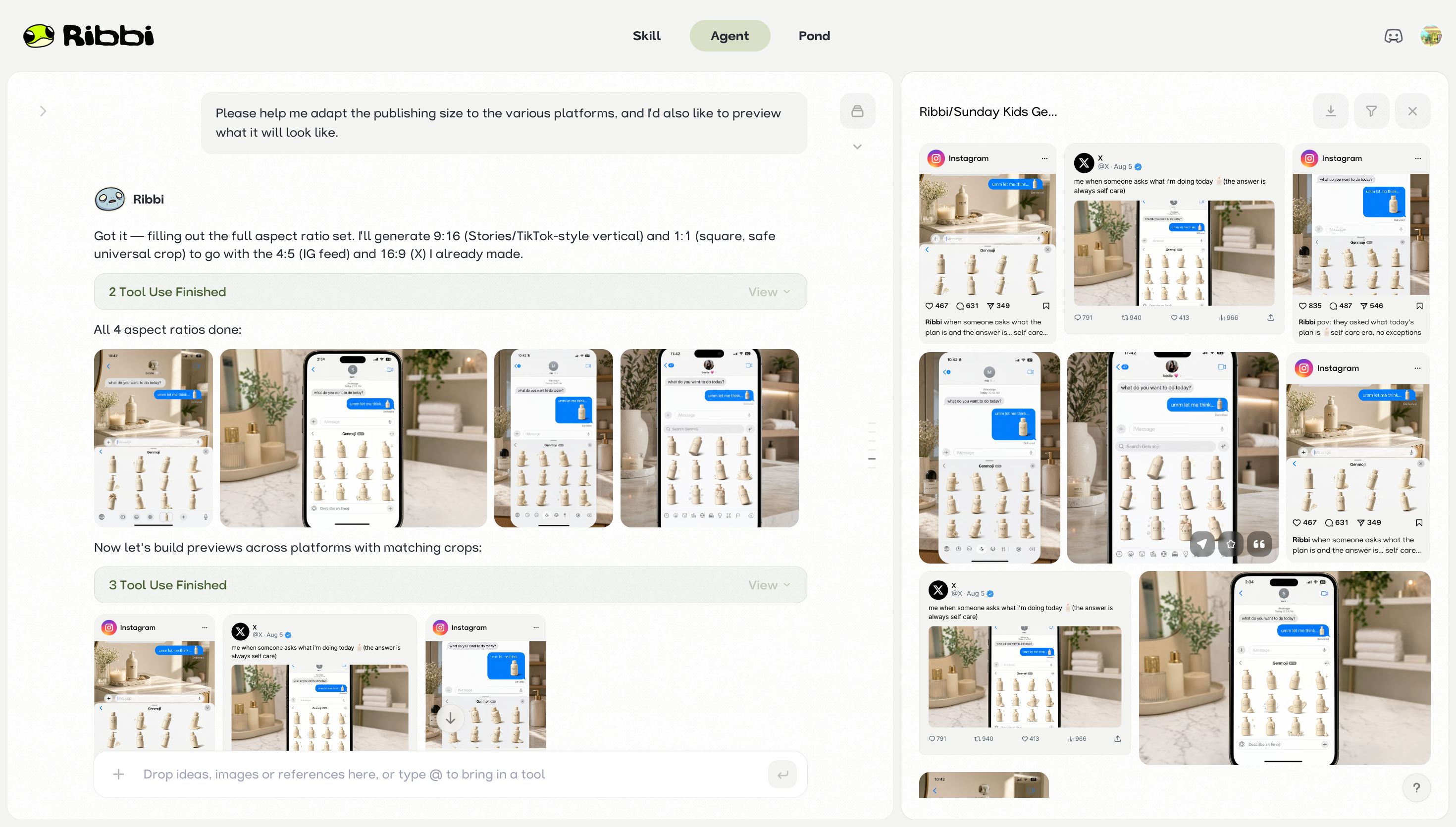
One video does not become one post. It becomes an Instagram Reel with square captions, a TikTok with vertical framing and a different hook, a Shorts cut, an X clip, maybe a LinkedIn version if you’re doing any B2B. Every platform has its own peak window too. Instagram lives around noon on weekdays. TikTok wants 6 to 8 PM. LinkedIn just migrated from mornings to afternoons this year. 38% of marketers still plan content only one week ahead, with almost 40% managing social solo. The math doesn’t work.
Testing is where most brands quietly lose.
You did not ship 20 creatives to guess which one wins. On Meta, top DTC accounts maintain 15 to 25 active ad variants per campaign. At $10k to $50k a month in spend, that’s 4 to 6 new creatives shipped per week, just to feed the algorithm enough to learn. Meta’s own guidance is 4 to 6 assets minimum per ad set for Advantage+. Then you have to actually read the data.
Learning is the part everyone talks about and no one actually does.
Your assets and data probably live in six places at once. Meta Ads Manager, TikTok Ads Manager, Instagram Insights, Klaviyo, Shopify, GA4. The average marketing stack now spans 10 to 20 platforms, each with its own tracking method, its own attribution window, its own definition of what counts as a conversion. 75% of buy-side leaders say their core measurement methods underperform. Everyone’s supposedly running on data. Almost no one believes the data they’re running on.
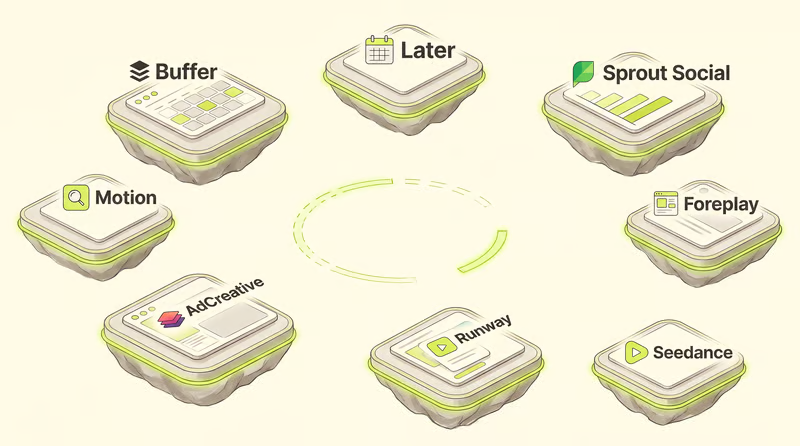
Smart teams have been solving each of these pieces separately, and honestly, they’ve built some excellent tools. Buffer and Later have made scheduling a solved problem. Sprout Social’s cross-platform analytics are enterprise-grade. Motion and Foreplay have made competitor creative research genuinely intelligent. AdCreative and Pencil can spin up ad variants faster than any human team. Runway and Seedance can generate video that would have taken a studio a week two years ago. Each one is best-in-class in its own lane.
The gap isn’t in the tools. It’s in coordination between them. The thing that’s missing isn’t another tool. It’s a loop.
4.From Stack to Loop, How It Runs?
The thing that’s missing isn’t another tool. It’s a loop. A system where making, publishing, testing, and learning all live inside the same brain, so each round feeds the next automatically. That’s what Ribbi is built to be.
Skills are just the surface. Underneath, the whole thing is built as one continuous system. Generation, publishing, monitoring, testing, learning, all under one brain. You set the direction once. The system runs on its own schedule.
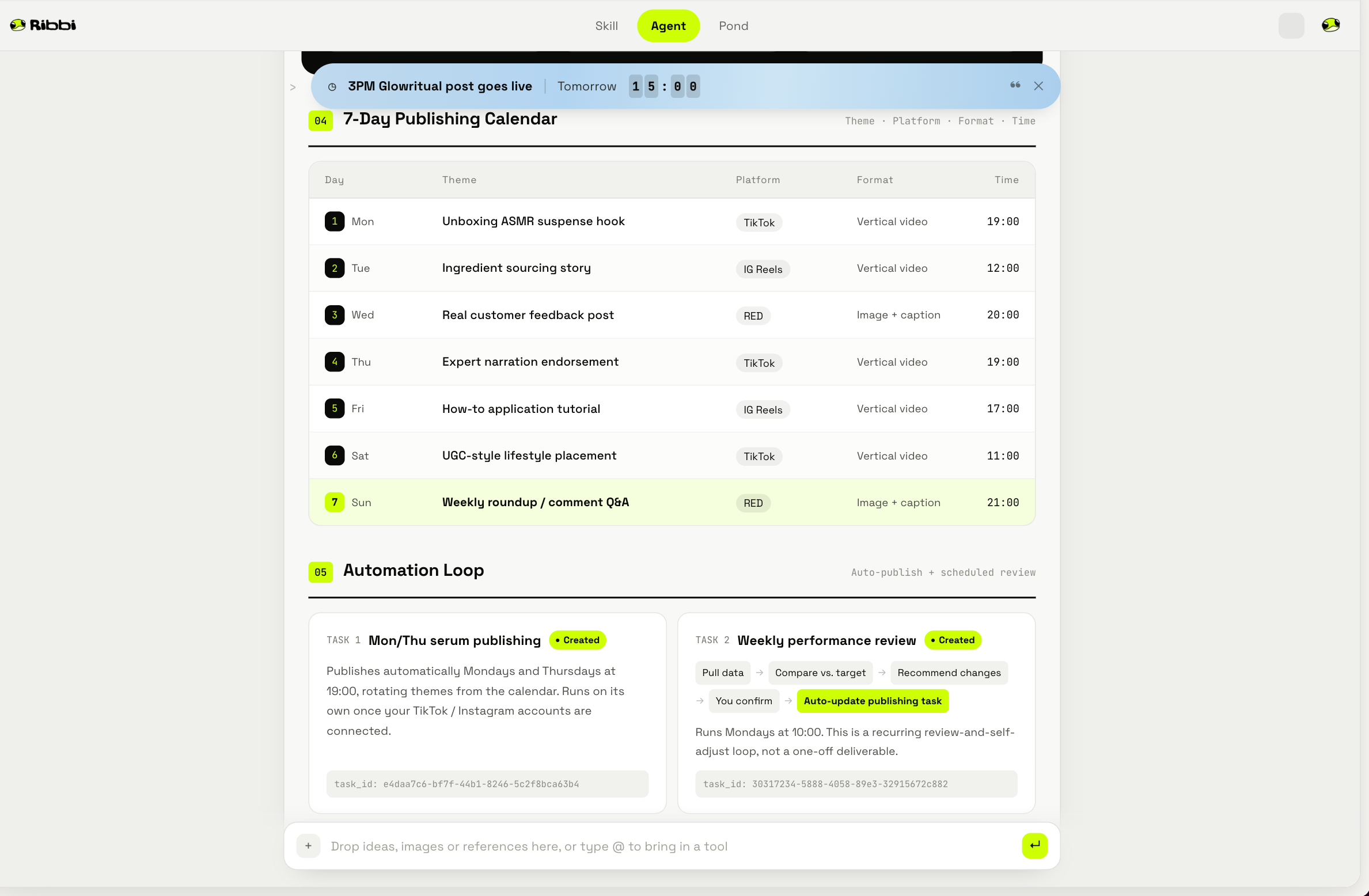
The loop runs itself
You define what products matter this quarter, what your brand voice sounds like, which platforms you’re on. The loop does the rest.
It watches trends in your category in real time. It picks Skills that match, drops your product in, and generates variants ready to review or auto-publish. It ships to every platform natively, sized right, captioned right, timed to when your audience is actually online. It tracks how every post performs and feeds those wins back into the next round of briefs.
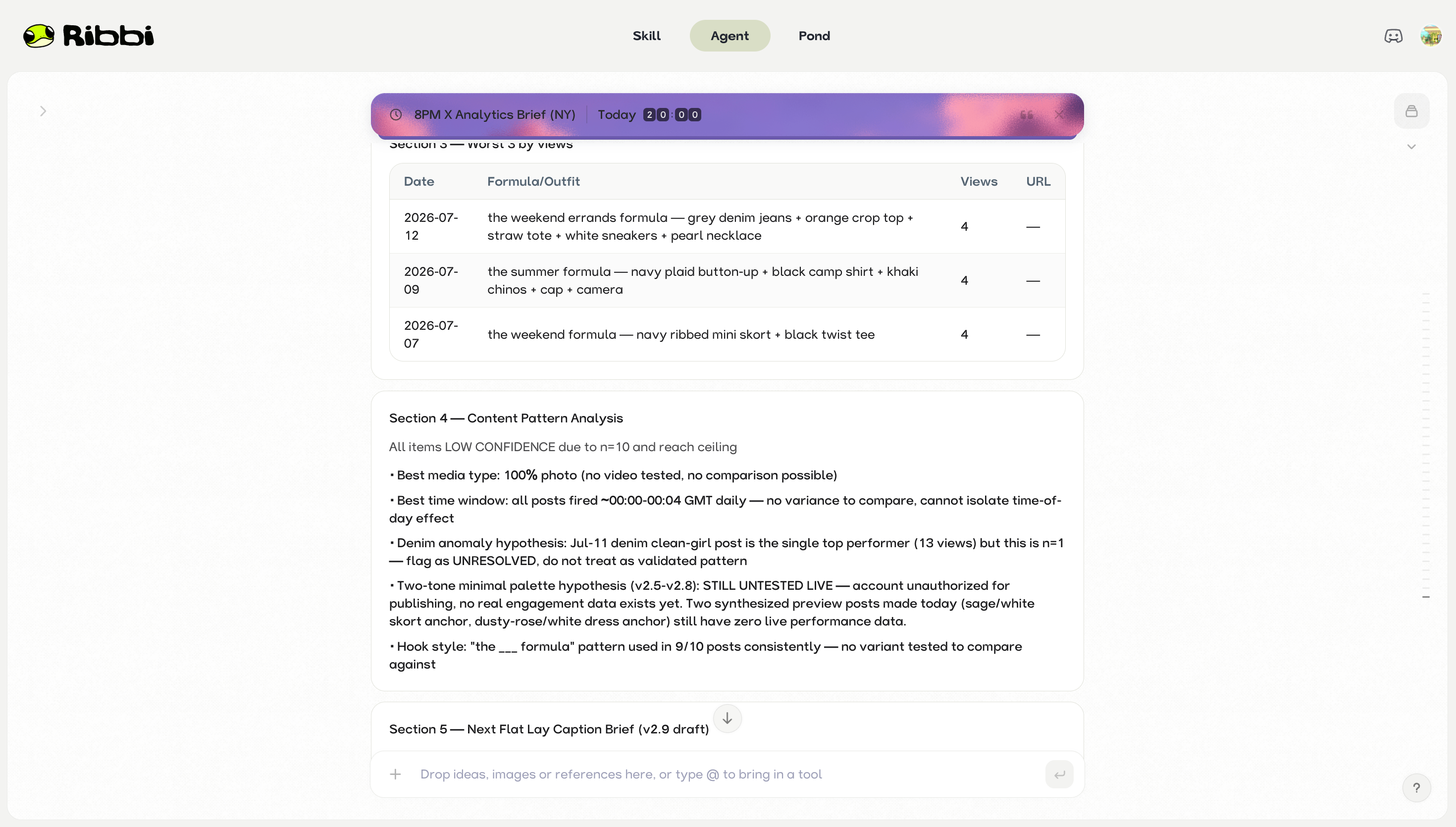
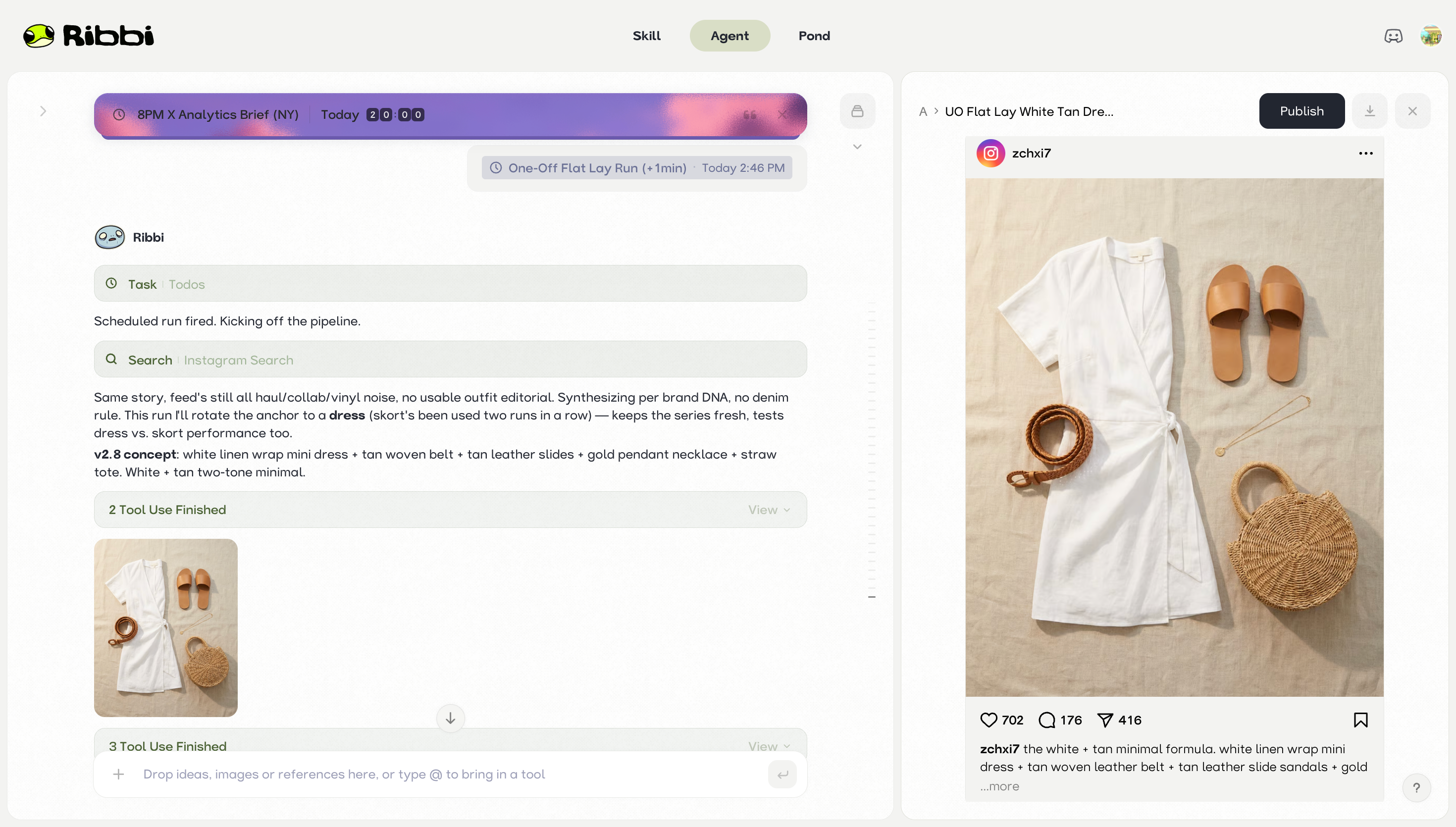
It learns as you go
Most AI tools start from scratch every session. You brief them fresh, correct them fresh, and end up with output that could belong to anyone. Ribbi is quietly the opposite. It just keeps track. The longer it runs, the more of you it absorbs.
Three signals feed the system:
-
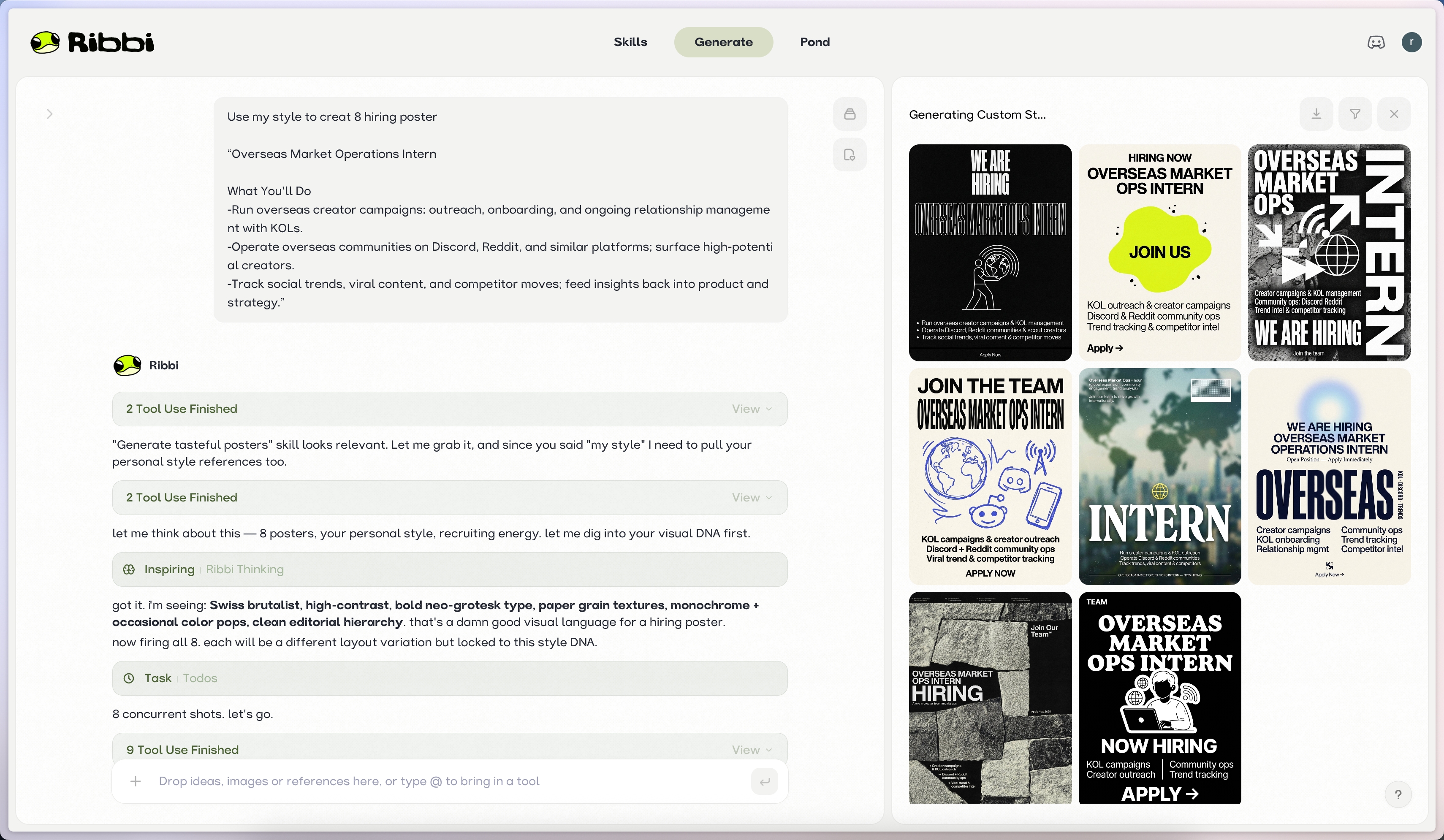
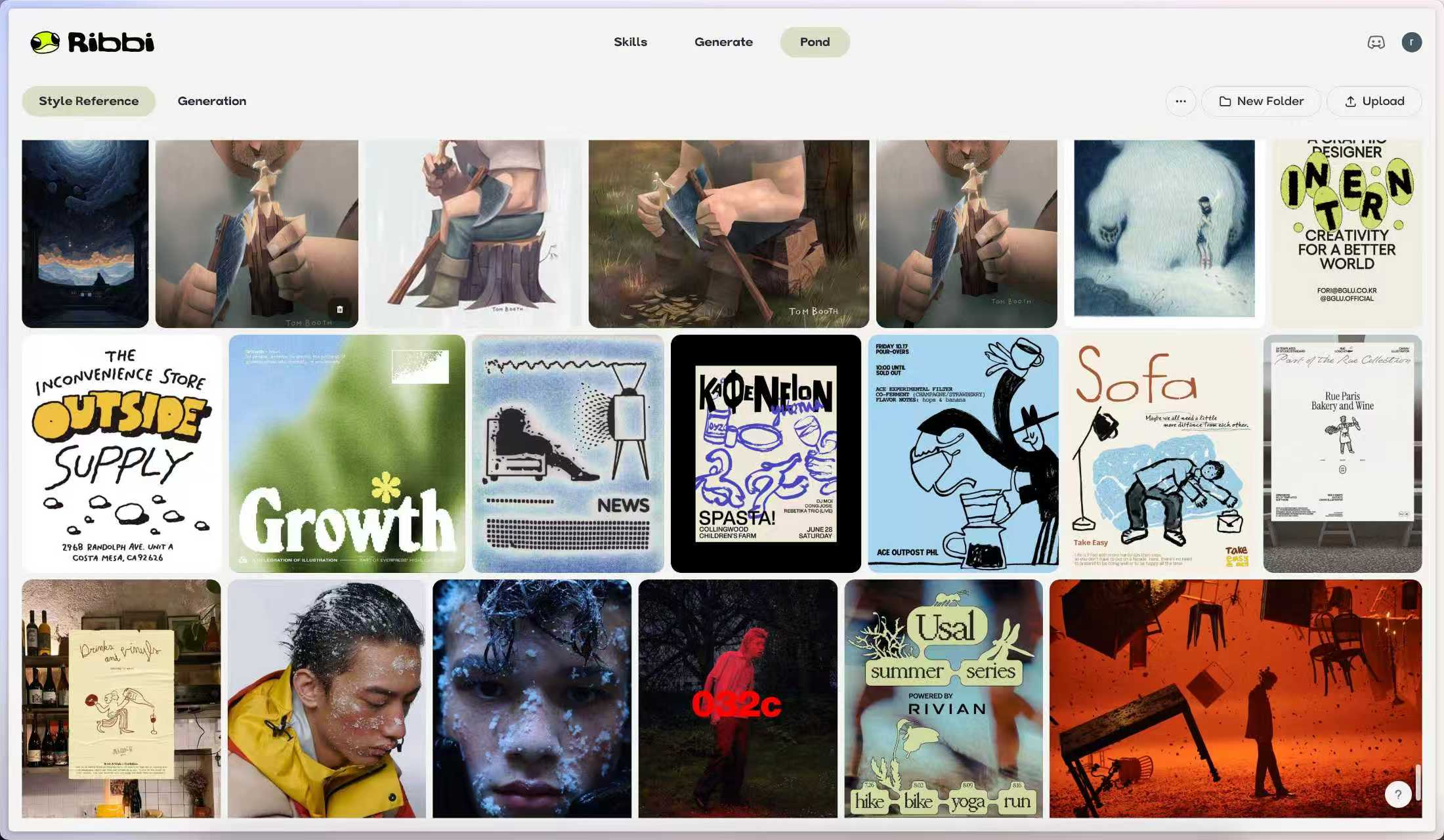
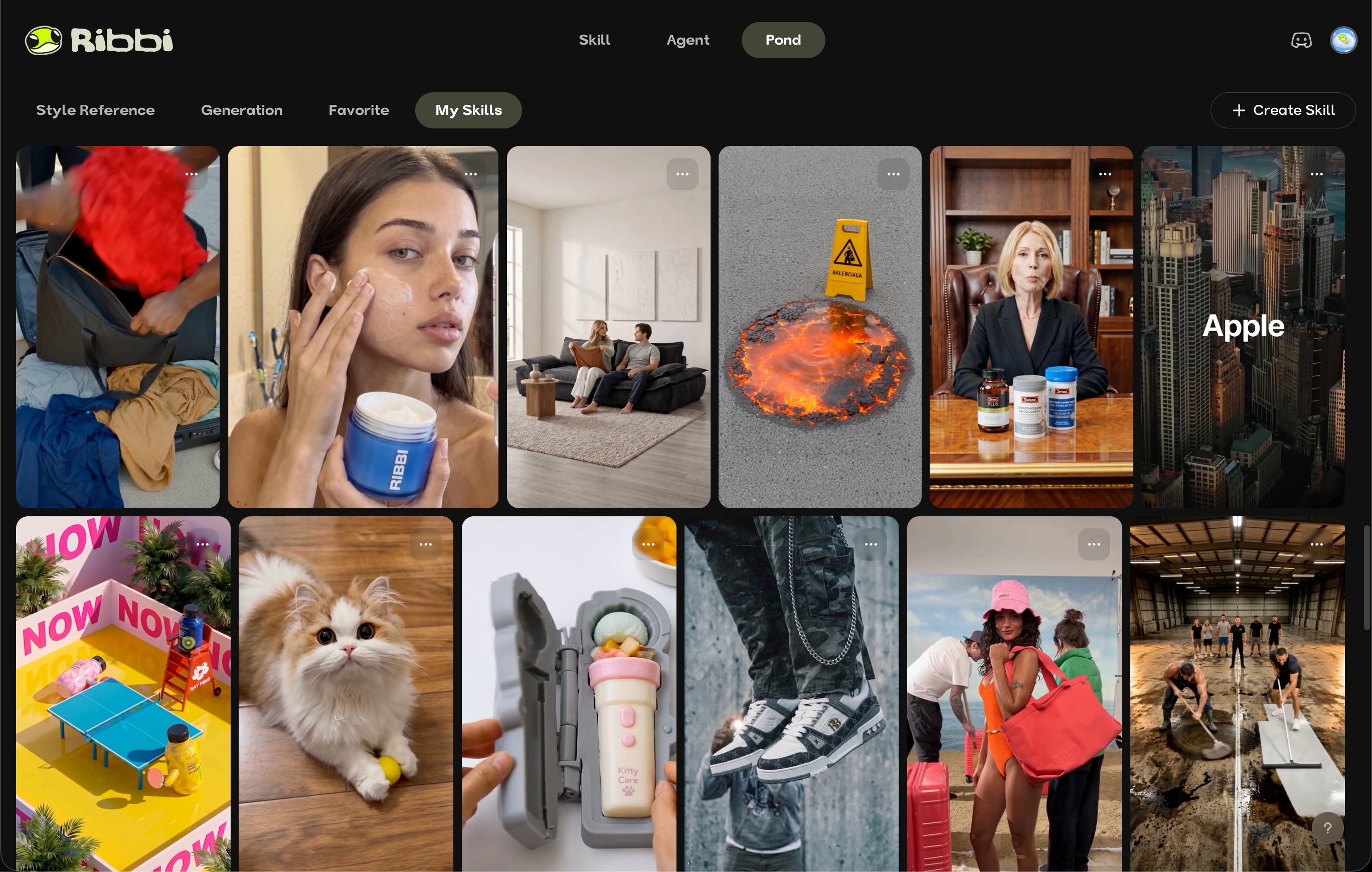
Your Pond. Everything you save inside becomes training data for what your brand looks like. It builds a personal aesthetic from this, not a template.
-
Your conversations. Every time you revise, pick, or say “more like this,” the system remembers. Your taste stops being something you re-explain every session.
-
Your performance data. What actually works on your account, with your audience, in your category. Not what worked for someone else.
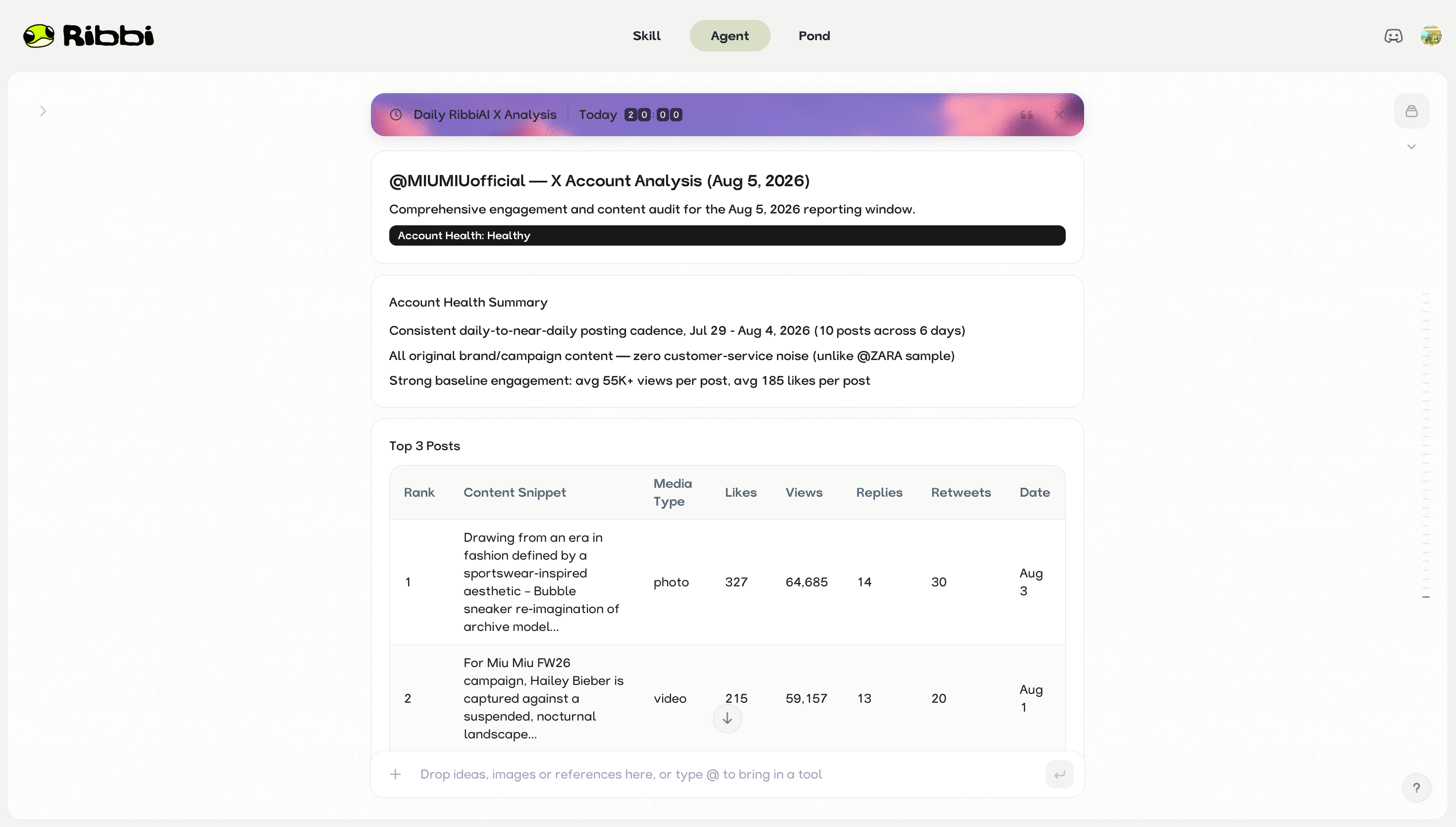
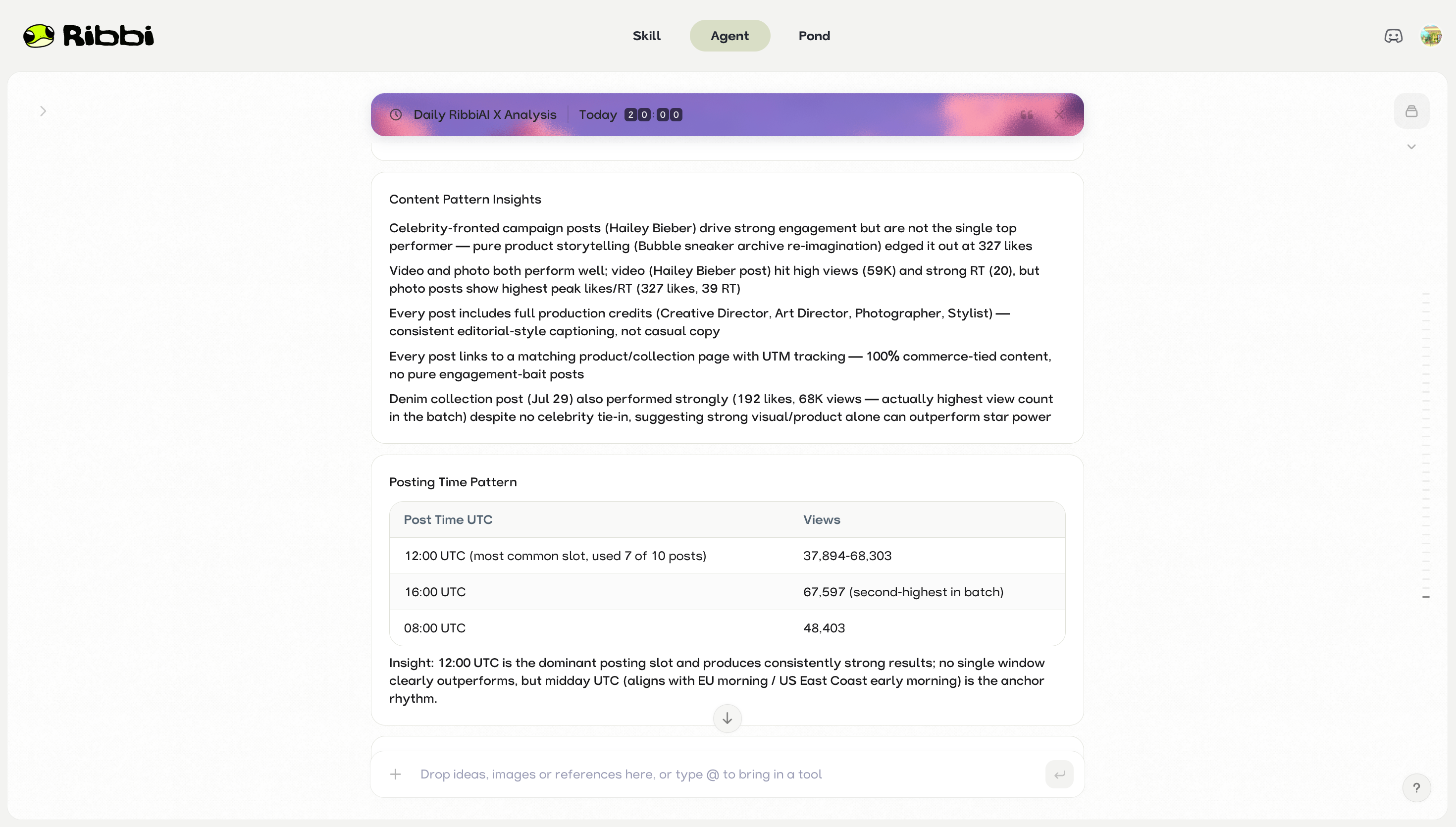
Use it for a week and it’s helpful. Use it for a quarter and it starts making content that could only belong to your brand.
5.Who’s Building on This?
Ribbi is built for the teams that live in the feed. If any of these sound like you, this was written for you.
DTC founders shipping new SKUs every month. Skincare drops, seasonal launches, product line extensions, brand collabs. Each one needs its own content wave. Each wave needs to feel like your brand. Ribbi handles the wave. You stay focused on the product.
Solo marketers running the whole social operation. One person, one calendar, one growing brand. You don’t have a designer to brief on Monday or a media buyer to hand things off to on Friday. You are Monday and Friday. You need leverage that stops you from being the bottleneck.
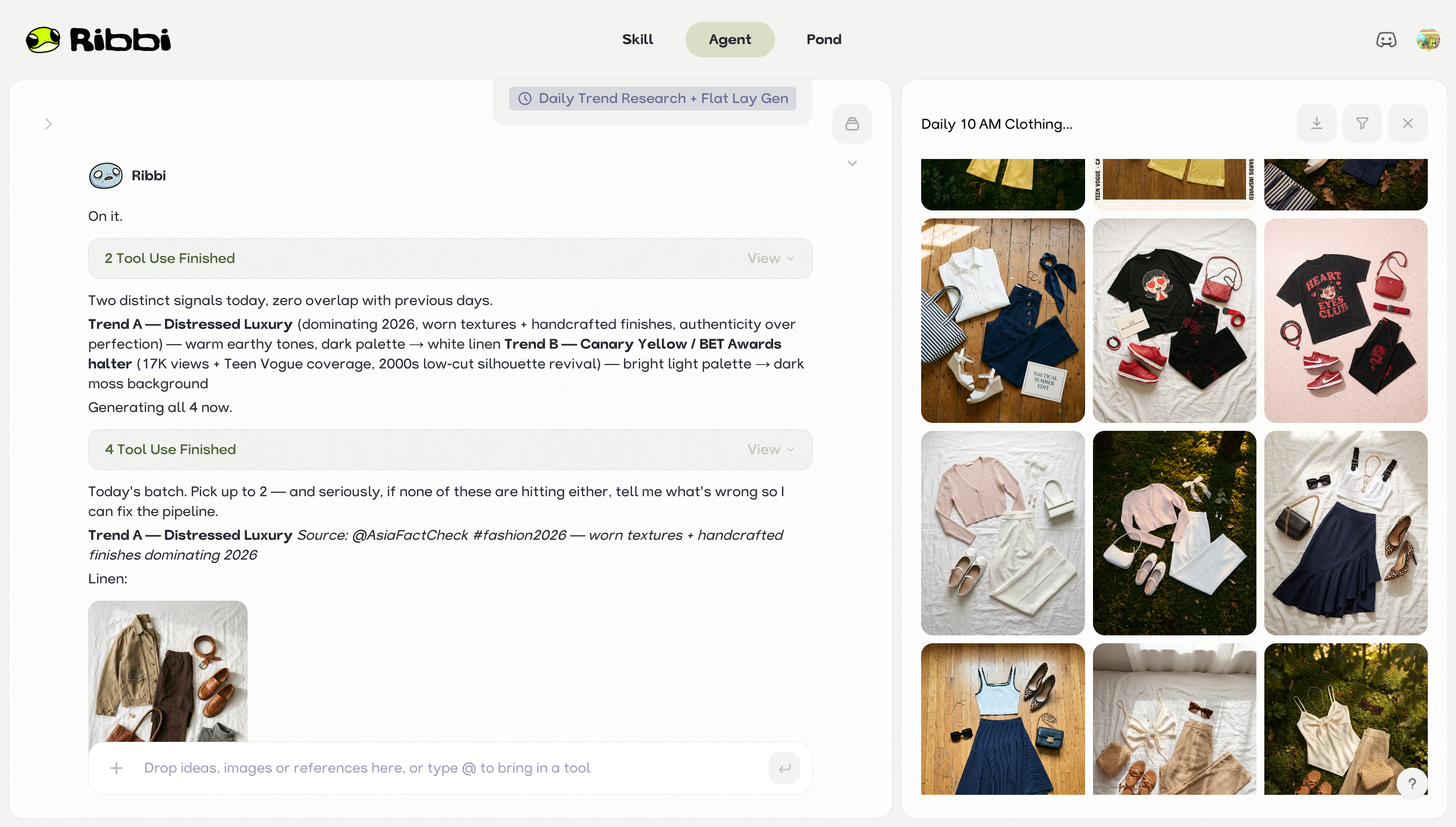
Media buyers and creative strategists testing on Instagram, TikTok, Youtube. You need 5 to 20 fresh variants every week just to feed the algorithm. Your agency can’t turn that around. Your in-house team can’t either. Ribbi ships the volume without the agency price tag, and remembers which hook won last week when it drafts next week’s batch.
Creative directors running lean teams. By the time you’ve spotted a trend, briefed a designer, and shot a version, the trend is over. Ribbi’s Skill library ships new trend patterns every week, ready to drop your product into. The window between “this is going viral” and “we shipped our version” collapses from a week to an afternoon.
If you’re building a DTC brand where content is the growth channel, and every quarter the gap between what you want to ship and what you can actually ship keeps widening, you should give Ribbi a shot.
Free to start at ribbi.ai. Kick off your content acquisition loop with an agent, not another tool.
DTC brands aren’t buying tools anymore. They’re hiring agents.
Written by Lilith, Founding Partner at Ribbi, where she works closely with DTC founders and creative operators building the next generation of social-first brands. She writes about AI agents, DTC growth, and the shifting shape of creative operations in 2026 and beyond.